Online Ski & Snowboard Conditioning Programs
Build Slope-Ready Strength, Endurance, and Stability for Skiers and Snowboarders
Are These Ski Season Challenges Holding You Back?
COMMON SKI FITNESS PROBLEMS
✓ Burning quads and exhausted legs by mid-afternoon
✓ Knee pain or instability on moguls and steep terrain
✓ Fear of injury keeping you from pushing your limits
✓ Not strong enough to handle powder or backcountry skiing
✓ Days off mid-trip because your body can't keep up
✓ Missing weeks of ski season due to lack of preparation
What Ski Conditioning Training Covers

Explosive Leg Strength
Build powerful quads, glutes, and hamstrings that can handle all-day skiing, deep powder, and challenging terrain without burning out.

Injury Prevention
Strengthen knees, ankles, and core to protect against ACL tears, MCL strains, and the common injuries that sideline skiers.

Balance & Stability
Develop single-leg strength and proprioception to stay stable on uneven terrain, recover from off-balance moments, and prevent falls.

Core Power
Develop rotational strength and anti-rotation stability for better control through turns, bumps, and variable snow conditions.

Aerobic Endurance
Build the cardiovascular capacity to ski from first chair to last run without getting winded or losing focus.

Backcountry Ready
Build the endurance and strength needed for skinning uphill, carrying gear, and handling demanding backcountry terrain safely.
Why Skiers Need Gym Workouts and Strength Training
Skiing demands a unique combination of eccentric strength (controlling your descent), isometric endurance (holding positions), explosive power, and cardiovascular fitness. Generic gym workouts don't prepare your body for the specific demands of ski and snowboard conditioning.
Ski Strength Patterns
Train the eccentric loading, lateral movements, and single-leg stability that skiing requires.
Functional Ski Fitness
Build endurance that translates directly to longer ski days with less fatigue and better performance.
Ski Injury Prevention
Strengthen vulnerable areas like knees and ankles while improving movement quality to reduce injury risk.
When to Start Ski Conditioning Training?
The best time to start ski and snowboard conditioning is 8-12 weeks before your first day on the slopes. This gives your body enough time to build strength, endurance, and movement quality progressively.
12+ Weeks Out: Foundation Phase
Build base strength, address movement limitations, and establish consistent training habits.
6-8 Weeks Out: Strength & Power Phase
Increase intensity with ski-specific exercises, explosive movements, and progressive overload.
2-4 Weeks Out: Peak & Taper
Fine-tune conditioning, maintain strength, and reduce volume so you're fresh and ready for opening day.
Already close to ski season?
No problem! I'll design a program that meets you where you are and prepares you as effectively as possible for the snow.
Derek Ridings, Certified Strength & Conditioning Coach
Meet Your Online Ski Fitness Coach
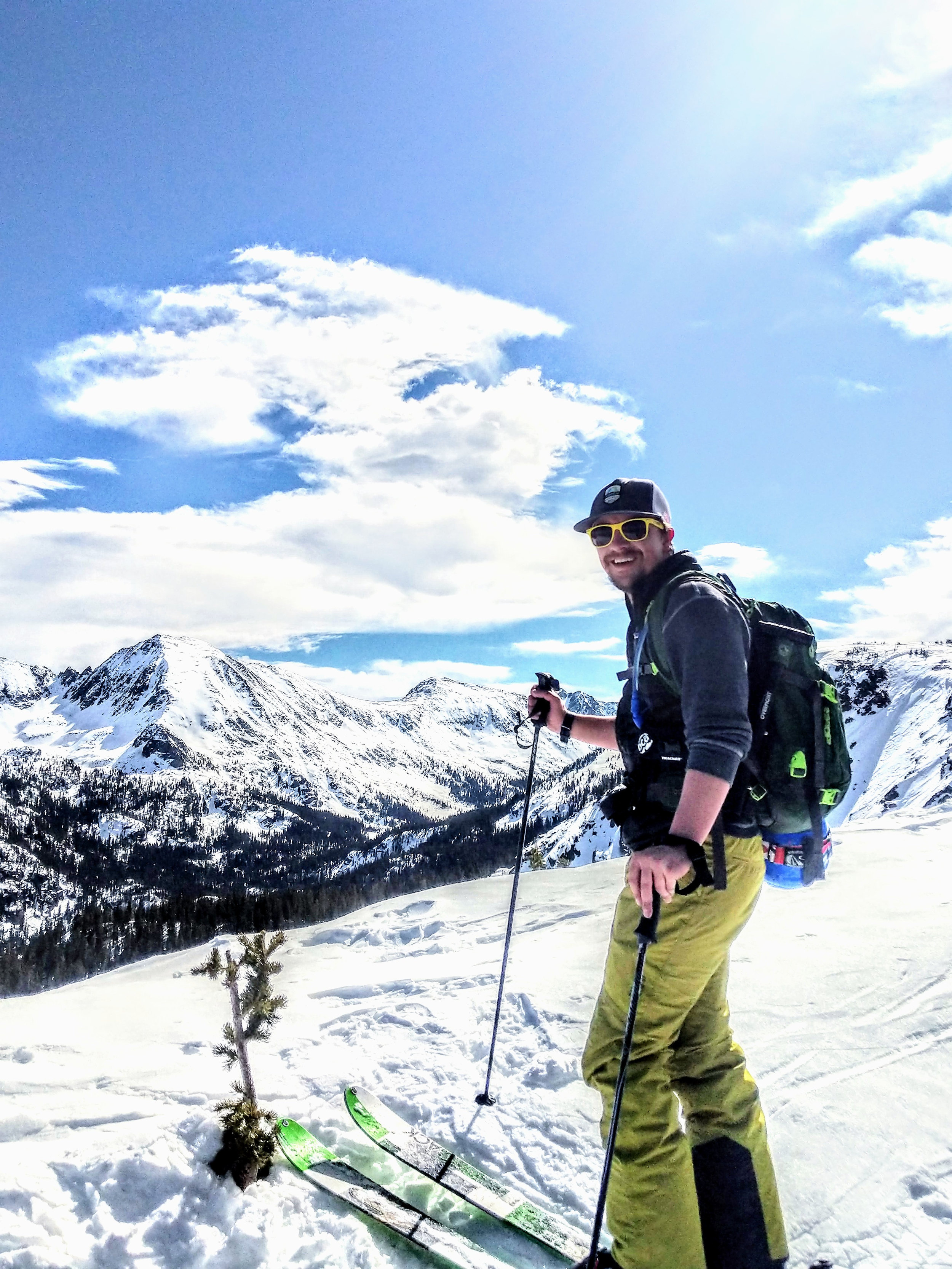
Growing up in the mountains of Aspen Colorado, skiing has been my passion for as long as I can remember. With 9 years of experience as a certified Strength & Conditioning Coach, I specialize in preparing athletes for the unique demands of mountain sports.
I've helped skiers and snowboarders of all levels build the strength, endurance, and resilience to hit the mountain with confidence and stay injury-free. From weekend warriors figuring out how to train for skiing for the first time, to backcountry enthusiasts looking for a serious alpine ski conditioning program, every plan is built around your goals, your schedule, and your terrain. Whether your first powder day is eight weeks out or you're deep in the off season, I'll design a program that gets your body slope-ready.
How Online Ski Conditioning Works
-

Free Assessment
We'll discuss your skiing style, fitness level, injury history, and what you want to accomplish this season.
-

Periodized Training Plan
I'll create a customized ski conditioning program that builds progressively toward ski season, focusing on your skiing style and goals.
-

Train Your Way
Access your workouts through an easy-to-use app with video demonstrations, coaching notes, and progress tracking.
-

Peak for Opening Day
Receive weekly check-ins, form reviews, and program adjustments so you're skiing stronger and injury-free when the snow falls.
Choose Your Plan:
Self - Guided Programs
$150 / month
Perfect for self-motivated skiers who want a structured program
✓ Customized ski conditioning program
✓ Mobile app access with videos
✓ Progress tracking tools
✓ Monthly program updates
✓ Email support
✗ Weekly check-ins
✗ Form video review
Unlimited Coaching
$250 / month
Complete coaching package with ongoing support
✓ Fully personalized training program
✓ Mobile app with full video library
✓ Advanced progress tracking
✓ Weekly check-ins & adjustments
✓ Form video reviews
✓ Unlimited messaging support
✓ Priority response times
Most Popular
One - Time Program
$250 one time
Pre-designed ski conditioning program ready to start
✓ 12-week structured program
✓ Complete exercise video library
✓ PDF program guide
✓ Instant access after purchase
✓ Lifetime access to materials
✗ Personalized modifications
✗ Coaching support
No contracts. No minimum commitment. Cancel anytime.
Frequently Asked Questions About Ski Conditioning Training
-
The ideal time to start a ski conditioning program is 8-12 weeks before the season begins. This gives your body enough time to build a meaningful strength base, develop sport-specific movement patterns, and peak right as the lifts open. That said, starting later is always better than not starting at all.
-
A ski conditioning program focuses on the specific physical demands of skiing. Eccentric leg strength for controlling descents, explosive power for variable terrain, hip and knee stability for injury prevention, and cardiovascular endurance for full days on the mountain. It is nothing like a generic gym program.
-
Yes. Knee injuries are the most common skiing injury and the majority are preventable with proper strength training. Building quad strength, glute strength, and hip stability significantly reduces the forces on your knees during hard turns, moguls, and unexpected terrain changes.
-
Absolutely. Recreational skiers actually benefit more from ski conditioning training than experienced skiers in many ways. Your body is less adapted to the demands of skiing, which means the first few runs of the season are where injuries most commonly happen. A solid pre-season program changes that completely.
-
Yes. Skiing exercises to do at home are a core part of how most programs are structured. All you need is a set of dumbbells and resistance bands. If you have gym access that's a bonus, but it is not a requirement.