The Most Common Ski Injuries (and How to Prevent Them with Proper Training)
Ski season brings excitement, fresh powder, and challenging runs—but it also comes with a risk of injury. Every year, thousands of skiers are sidelined with preventable injuries that cut their season short. The good news? With the right ski-specific training and conditioning, you can dramatically reduce your risk and stay strong on the slopes.
As an online personal training business specializing in ski fitness, we help skiers prepare their bodies for the demands of the sport. Below, we’ll break down the most common ski injuries and what you can do to avoid them.
1. Knee Injuries (ACL and MCL Tears)
Why they happen: Skiing places enormous stress on the knees. Quick turns, sudden stops, and awkward landings often lead to ligament damage, especially to the anterior cruciate ligament (ACL) and medial collateral ligament (MCL). These are the most common ski injuries and can require months of recovery.
How to prevent them:
Strengthen the quadriceps, hamstrings, and glutes for knee stability.
Improve balance and agility to handle unexpected terrain changes.
Get your bindings professionally adjusted to release correctly during falls.
Training focus: Off-season strength training, plyometrics, and stability drills.
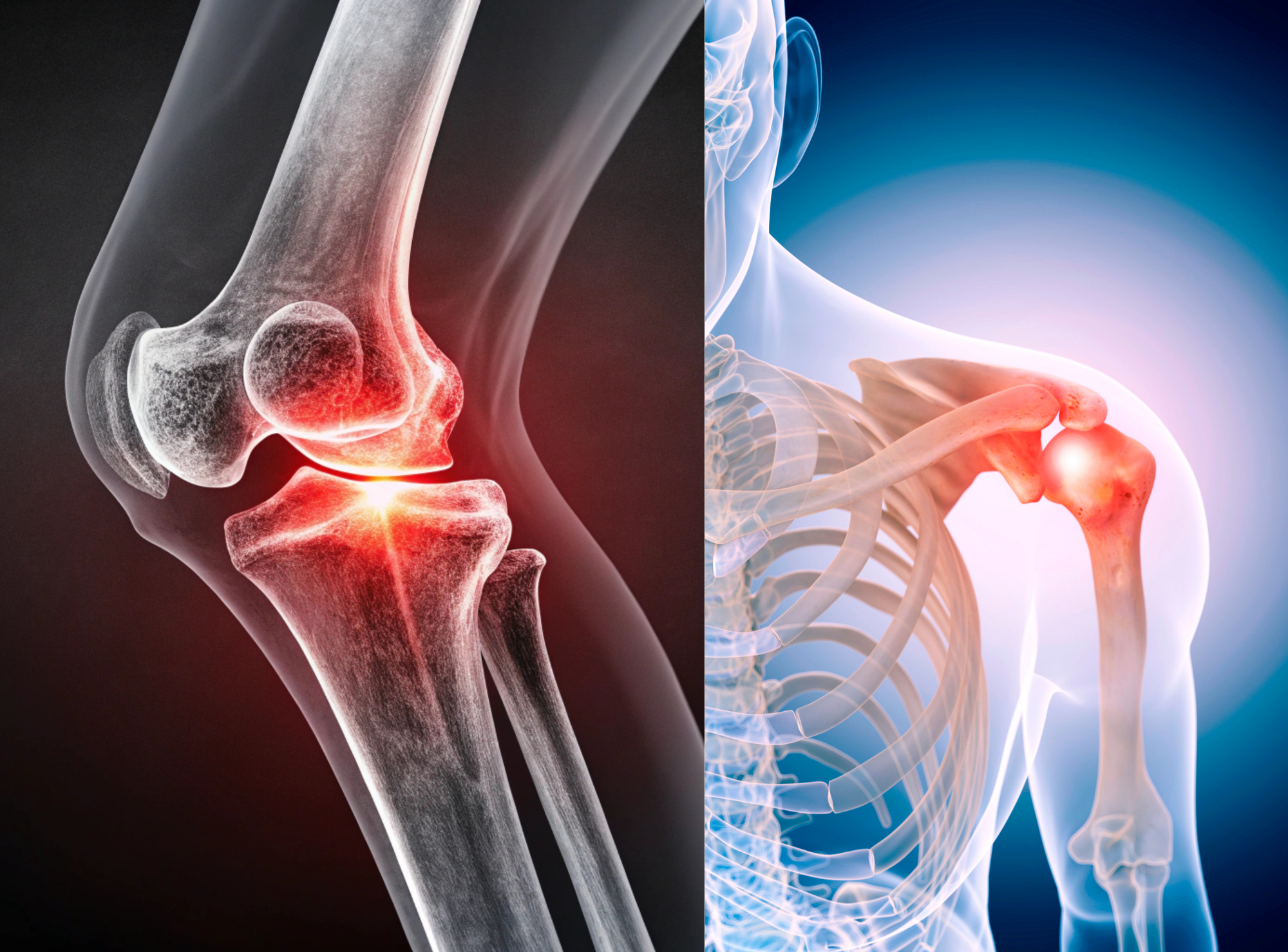
2. Shoulder Dislocations and Rotator Cuff Injuries
Why they happen: Falls with outstretched arms or collisions often lead to dislocated shoulders, torn rotator cuffs, or collarbone fractures.
How to prevent them:
Build upper body strength and shoulder stability through resistance training.
Train your core and balance to minimize falls in the first place.
Learn safe falling techniques to protect your shoulders.
Training focus: Resistance bands, kettlebell carries, and rotator cuff strengthening exercises.

3. Wrist and Hand Injuries (“Skier’s Thumb”)
Why they happen: A common ski injury, “Skier’s Thumb,” occurs when the thumb is bent backward while gripping ski poles in a fall. This overstretches or tears the ulnar collateral ligament (UCL).
How to prevent them:
Practice releasing your poles during a fall.
Use poles with modern safety straps.
Strengthen your grip and forearm muscles to support your hands and wrists.
Training focus: Grip strength exercises, forearm conditioning, and mobility drills.
4. Back Injuries
Why they happen: Skiing requires a constant forward-flexed position, which can strain the lower back. Hard falls, jumps, and poor technique also contribute to disc and muscle injuries.
How to prevent them:
Build a strong core to stabilize your spine.
Increase hip and hamstring mobility to maintain good skiing posture.
Avoid skiing fatigued, when technique breaks down.
Training focus: Core strengthening, mobility drills, and functional movement patterns.
How Online Ski Fitness Training Can Help
Most ski injuries don’t happen by chance—they happen because the body isn’t fully prepared for the demands of the sport. That’s why ski-specific strength and conditioning is essential.
With our online personal training programs, you’ll get:
Customized strength, mobility, and conditioning workouts.
Injury-prevention strategies tailored to your needs.
Expert guidance and accountability to keep you consistent.
By training smart before and during the ski season, you’ll ski stronger, recover faster, and significantly reduce your risk of injury.
Are you coming back from an injury or hoping to prevent one? Reach out now to learn more!